
Self-love meditation offers a pathway to inner peace and acceptance, utilizing a guided script to nurture compassion. Adjust session length to fit your schedule, prioritizing a relaxed state.
This practice, rooted in kindness, helps overcome self-criticism and fosters a deeper connection with your authentic self, enhancing overall well-being.
Exploring self-love through meditation involves understanding core teachings and utilizing detailed guided practices, alongside supplementary resources like videos and readings.

What is Self-Love Meditation?

Self-love meditation is a deliberate practice of cultivating kindness, acceptance, and compassion towards oneself. It’s a journey inward, utilizing a guided script to gently redirect internal dialogue away from self-criticism and towards nurturing self-regard.
Unlike affirmations that focus on becoming, this meditation centers on acknowledging your inherent worthiness right now. It’s about recognizing that you deserve love, happiness, and peace, regardless of imperfections or past experiences. A guided approach, like using a script, can be particularly helpful for beginners, providing structure and direction.
The core of this practice lies in extending the same care and understanding to yourself that you would offer a cherished friend. It’s a powerful tool for emotional healing and building resilience, fostering a more positive and loving relationship with your inner self.
The Benefits of Practicing Self-Love
Regularly engaging in self-love meditation, often facilitated by a guided script, yields profound benefits for emotional and mental well-being. It significantly reduces self-criticism, replacing harsh inner voices with gentle encouragement and acceptance.
This practice cultivates greater resilience in the face of challenges, allowing you to navigate difficulties with more grace and self-compassion. Utilizing a guided approach can deepen relaxation, reducing stress and anxiety levels. Furthermore, it fosters a stronger sense of self-worth and confidence, empowering you to pursue your goals and dreams.
Ultimately, consistent self-love meditation promotes a more positive outlook on life, enhancing relationships and overall happiness. It’s an investment in your inner peace and a pathway to a more fulfilling existence.
Preparing for Your Meditation Session
To maximize the benefits of a self-love meditation using a guided script, thoughtful preparation is key. Begin by identifying a quiet space, free from distractions, where you can fully immerse yourself in the practice. Prioritize comfort; choose a posture – seated or lying down – that allows your body to relax without strain.
Consider the time commitment; while longer sessions are beneficial, even brief periods of focused meditation can be impactful, especially for beginners. Flexibility is crucial – adapt the script’s length to your schedule. Recording the script in your own voice can enhance the experience, creating a personalized and soothing atmosphere.
Finally, approach the session with an open mind and a willingness to embrace self-compassion.
Finding a Quiet Space
Establishing a serene environment is paramount when embarking on a self-love meditation journey with a guided script. Seek a location within your home – or even outdoors – where you can minimize interruptions. This might be a spare room, a cozy corner, or a peaceful spot in nature.
Silence your phone, inform family members you need undisturbed time, and consider using noise-canceling headphones if ambient sounds are unavoidable. The goal is to create a sanctuary where you can fully focus inward, without external distractions pulling your attention away from the meditation.
A dedicated space, even a small one, can become a powerful anchor for your practice, signaling to your mind and body that it’s time for self-compassion.
Setting a Comfortable Posture
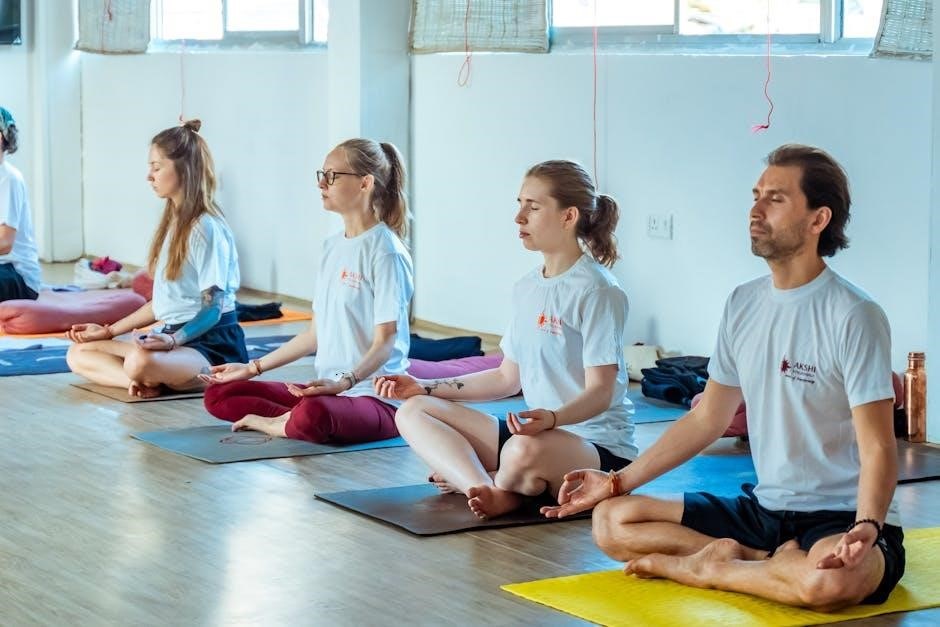
Prioritizing physical comfort is crucial for a successful self-love meditation experience, especially when utilizing a guided script. You don’t necessarily need to sit in a traditional lotus position; the most important thing is to find a posture that allows you to remain relaxed and alert throughout the session.
You can sit on a cushion, a chair with your feet flat on the floor, or even lie down. Ensure your spine is relatively straight, but not rigid. Allow your shoulders to relax, and gently unclench your jaw. Avoid crossing your legs if it causes discomfort.
Experiment to discover what feels best for your body, fostering a sense of ease and openness, allowing you to fully immerse yourself in the practice of self-compassion.
Time Commitment & Flexibility
Integrating a self-love meditation, even with a detailed guided script, doesn’t require a significant time commitment. Beginners may find shorter sessions – 5 to 10 minutes – more manageable, allowing for focused attention and preventing overwhelm. As you become more comfortable, you can gradually increase the duration to 15-20 minutes or longer.
The key is flexibility. Life happens, and sticking to a rigid schedule isn’t always possible. Don’t feel discouraged if you miss a day; simply resume your practice when you can. The most optimal approach is to adjust the session to your available time, avoiding any sense of rushing.
Consistency, not length, is paramount.

Core Teachings of Self-Compassion
Self-compassion, central to self-love meditation, involves kindness towards oneself, recognizing shared humanity, and practicing mindfulness to navigate difficult emotions.
Understanding Self-Kindness
Self-kindness is a foundational element of self-love meditation, representing a gentle and nurturing approach towards oneself, especially during times of struggle or perceived failure. It’s about treating yourself with the same care and understanding you would offer a dear friend facing similar challenges.
This isn’t about self-indulgence or letting yourself off the hook; rather, it’s acknowledging your inherent worthiness of compassion, regardless of imperfections or shortcomings. A guided script can help cultivate this, prompting you to offer yourself words of encouragement and acceptance.
Practicing self-kindness involves actively counteracting self-criticism with supportive inner dialogue. It’s recognizing that everyone experiences difficulties and that suffering is a universal part of the human experience. Embracing this shared humanity fosters a sense of connection and reduces feelings of isolation.
Recognizing Common Self-Criticism
Self-criticism often manifests as an inner voice that relentlessly judges, belittles, and finds fault with our thoughts, feelings, and actions. Common forms include perfectionism, dwelling on past mistakes, and comparing ourselves unfavorably to others. This internal negativity can significantly undermine self-esteem and hinder our ability to practice self-love.
A guided meditation script can be instrumental in bringing awareness to these critical patterns. By simply observing these thoughts without judgment, we begin to detach from their power. Recognizing these tendencies – like harsh self-talk or minimizing accomplishments – is the first step towards challenging them.
Often, self-criticism stems from deeply ingrained beliefs about our worthiness and capabilities; Understanding the origins of these beliefs can help us approach them with greater compassion and begin to rewrite the narrative.
The Importance of Mindfulness in Self-Love
Mindfulness is foundational to cultivating self-love, acting as the anchor for a guided meditation script. It involves paying attention to the present moment without judgment – observing thoughts, feelings, and sensations as they arise and pass. This practice allows us to step back from reactive patterns of self-criticism and engage with ourselves with greater kindness.
During meditation, mindfulness helps us notice when the inner critic emerges, without getting swept away by its negativity. We can acknowledge the thought or feeling, recognizing it as simply a mental event, rather than a reflection of our inherent worth.
By consistently practicing mindfulness, we build the capacity to respond to ourselves with compassion, even during challenging times, fostering a deeper sense of self-acceptance.
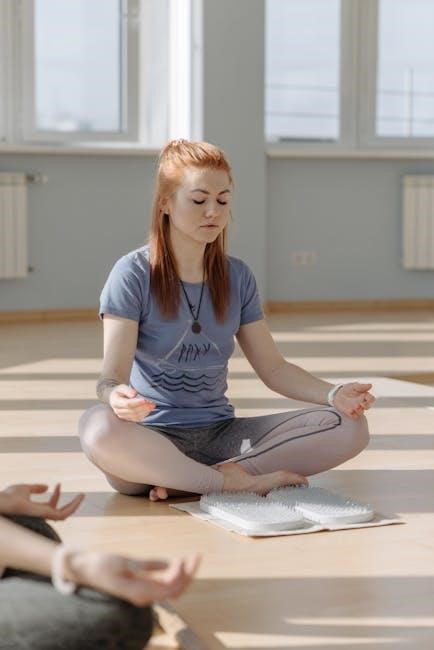
Guided Meditation Script: A Detailed Walkthrough
This guided self-love meditation script invites deep relaxation and self-compassion. Begin by settling into a comfortable position, preparing for a journey of inner kindness and acceptance.
Beginning the Meditation: Settling In
Begin by finding a comfortable position, either seated or lying down. Gently close your eyes, or soften your gaze if that feels more natural. Allow your body to relax, releasing any tension you might be holding. Take a few deep breaths, inhaling slowly and exhaling completely.
With each inhale, imagine drawing in a sense of peace and calm. With each exhale, release any worries or anxieties. Feel your body becoming heavier, sinking deeper into the support beneath you. Notice the sensations of your breath – the rise and fall of your chest or abdomen.
Allow yourself to simply be in this moment, without judgment or expectation. This is your time to nurture yourself, to connect with your inner wisdom and compassion. Let go of any striving or doing, and simply allow yourself to rest.
Body Scan for Self-Awareness
Now, gently bring your attention to the sensations in your body. Starting with your toes, notice any feelings present – warmth, coolness, tingling, or perhaps nothing at all. Simply observe without judgment. Slowly move your awareness up your feet, ankles, and calves, noticing any sensations along the way.
Continue this scan, moving up your legs, hips, abdomen, chest, and back. Pay attention to any areas of tension or discomfort, and breathe into those spaces with kindness and compassion. Notice the sensations in your hands, arms, shoulders, and neck.
Finally, bring your awareness to your face, jaw, and head. Notice any tightness or relaxation. This body scan is an opportunity to connect with yourself, to acknowledge and accept your physical sensations with gentle curiosity.
Breathing Exercises for Relaxation
Let’s now focus on the breath, a powerful anchor to the present moment. Notice the natural rhythm of your breathing, without trying to change it. Feel the rise and fall of your abdomen or chest with each inhale and exhale.
Begin to deepen your breaths, inhaling slowly and fully, and exhaling completely, releasing any tension with each outward breath. Imagine you are breathing in peace and calm, and exhaling stress and worry.
Continue this deep, conscious breathing for several moments, allowing your body to relax and your mind to quiet. With each breath, visualize a gentle, loving energy flowing through your body, nourishing and healing you from within.

Cultivating Feelings of Self-Acceptance
Now, gently bring to mind a quality you appreciate about yourself. It doesn’t need to be grand; it could be your kindness, your resilience, or even your sense of humor. Acknowledge this quality with gratitude, allowing yourself to feel good about it.
Next, consider a perceived imperfection. Recognize that everyone has flaws, and they are a natural part of being human. Instead of criticizing yourself, offer yourself compassion and understanding.
Repeat silently, “I accept myself completely, with all my strengths and weaknesses.” Visualize yourself surrounded by a warm, loving light, embracing all aspects of who you are. Allow this feeling of self-acceptance to permeate your being.
Affirmations for Self-Love
Now, begin to repeat affirmations of self-love, allowing the words to resonate deeply within you. Start with: “I am worthy of love and happiness.” Feel the truth of these words sinking into your heart, releasing any doubts or limiting beliefs.
Continue with: “I embrace my imperfections.” Recognize that your flaws are what make you unique and beautiful. Accept them as part of your journey, and release the need for perfection.
Finally, affirm: “I am kind to myself.” Treat yourself with the same compassion and understanding you would offer a dear friend. Nurture your inner child and allow yourself to feel safe and loved.
“I am worthy of love and happiness.”
As you settle deeper into the meditation, gently repeat the affirmation: “I am worthy of love and happiness.” Visualize a warm, golden light surrounding you, representing unconditional love and acceptance. Feel this light filling every cell of your being, dissolving any feelings of unworthiness.
Allow yourself to truly believe these words. Release any past experiences or beliefs that have led you to question your value. You deserve joy, peace, and fulfillment. Embrace your inherent worthiness, knowing that you are deserving of all good things.
Breathe deeply, allowing the affirmation to sink into your subconscious mind, creating a foundation of self-love and happiness.
“I embrace my imperfections.”
Now, gently bring to mind areas of yourself you typically criticize. Recognize these perceived flaws not as shortcomings, but as unique aspects of your journey. Repeat the affirmation: “I embrace my imperfections.” Visualize these imperfections softening, becoming less defined, and blending into the beautiful tapestry of who you are.
Understand that perfection is an illusion. Your vulnerabilities and mistakes are what make you human, relatable, and authentic. They are opportunities for growth and learning. Extend compassion to yourself, just as you would to a dear friend.
Breathe deeply, releasing the need to be perfect and embracing your beautiful, imperfect self.
“I am kind to myself.”
Allow the feeling of self-kindness to wash over you. Imagine offering a gentle touch to your heart, a gesture of warmth and acceptance. Repeat the affirmation: “I am kind to myself.” Feel the soothing energy radiating outwards, dissolving any lingering self-judgment.
Treat yourself with the same compassion and understanding you would offer a loved one facing difficulties. Acknowledge your efforts, celebrate your strengths, and forgive your mistakes. You deserve kindness, patience, and unwavering support – especially from yourself.
Breathe deeply, anchoring this feeling of self-kindness within your being. Let it become a constant companion on your journey.
Visualizing Self-Love and Compassion
Now, visualize a warm, golden light emanating from your heart. This light represents unconditional self-love and compassion. See it growing brighter with each breath, filling your entire being with its radiant glow.
Imagine this light extending outwards, enveloping your body in a protective and nurturing embrace. Feel it soothing any areas of tension or discomfort, releasing any lingering negativity. Visualize yourself surrounded by this loving energy, safe and secure.
See yourself as a child, innocent and deserving of all the love in the world. Offer that child within you the compassion and acceptance they always needed. Let the golden light heal and restore.
Sharing Overflowing Love with the World
As you’re filled with self-love, imagine that abundance extending beyond yourself. With each exhale, visualize the golden light radiating outwards, reaching loved ones, friends, and even those you find challenging.
See them bathed in this same warm, compassionate glow, experiencing peace and happiness. Extend your loving-kindness to your community, your city, and ultimately, the entire world. Feel a sense of interconnectedness, knowing we are all deserving of love.
Visualize a world filled with compassion, understanding, and kindness, fueled by the love you’ve cultivated within. Breathe in peace, breathe out love, contributing to a more harmonious existence for all.
Returning to the Present Moment
Gently bring your awareness back to your body, noticing the sensations of your breath. Feel the support of the surface beneath you, the gentle rise and fall of your chest. Wiggle your fingers and toes, slowly re-establishing connection with your physical form.
Carry the feelings of self-love and compassion with you as you open your eyes, or simply keep them softly closed for a moment longer. Acknowledge the peace and tranquility you’ve cultivated during this practice.
Know that this feeling is always accessible to you, a wellspring of inner strength and resilience. Integrate this loving energy into your day, extending kindness to yourself and others.
Variations and Extensions
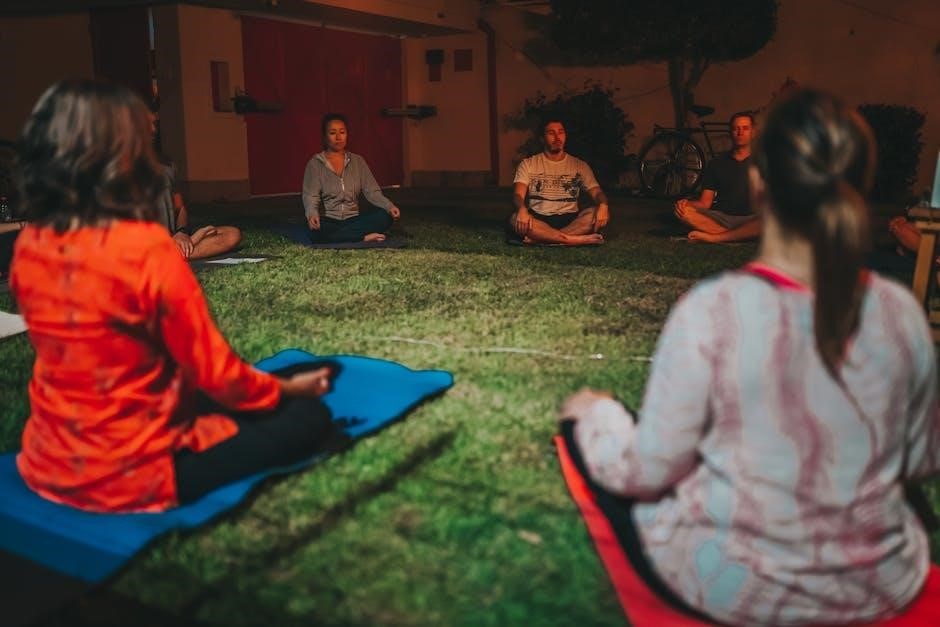
Enhance your practice by utilizing recorded scripts, adapting them to personal needs, or combining self-love meditation with yoga or journaling for deeper impact.
Using Recorded Scripts
Leveraging pre-recorded self-love meditation scripts offers a convenient and accessible way to deepen your practice, especially when time is limited or you prefer a guided experience. Numerous resources provide professionally narrated sessions, eliminating the need for self-recording initially.
This allows you to fully immerse yourself in the meditation without the cognitive load of reading or remembering the script. Experiment with different narrators and styles to find what resonates most effectively with you.
Consider using headphones for a more focused experience, minimizing external distractions. Recorded scripts are particularly helpful for beginners, providing a structured framework for cultivating self-compassion and acceptance. They can also be beneficial for experienced meditators seeking a fresh perspective or a deeper level of relaxation.
Adapting the Script to Your Needs
Personalizing a self-love meditation script is crucial for maximizing its impact. While pre-written scripts offer a solid foundation, tailoring the language and imagery to your unique experiences enhances connection and resonance.
Feel free to modify affirmations to reflect your specific challenges and aspirations. Replace generic phrases with statements that genuinely speak to your heart. Consider incorporating sensory details – sights, sounds, smells – that evoke feelings of peace and joy.
Adjust the pacing to suit your preference; slow down sections that require deeper contemplation and speed up others. Don’t hesitate to add pauses for reflection or to repeat affirmations that feel particularly potent. Ultimately, the goal is to create a script that feels authentically you.
Combining with Other Practices (Yoga, Journaling)
Synergizing self-love meditation with complementary practices amplifies its benefits. Integrating gentle yoga before meditation can release physical tension, creating a more receptive state for inner work. Focus on heart-opening poses to cultivate feelings of compassion and vulnerability.
Following meditation with journaling allows for deeper processing of emotions and insights. Record your experiences, noting any shifts in perspective or newfound self-acceptance. Explore prompts like “What does self-love mean to me today?” or “How can I embody self-compassion in my daily life?”
This holistic approach – movement, stillness, and reflection – fosters a sustainable practice of self-care and cultivates lasting positive change.

Resources for Further Exploration
Expand your self-love journey with readily available videos and insightful readings on self-compassion. Online communities offer supportive spaces for shared experiences and growth.
Self-Love Meditation Videos
Dive deeper into self-love with a wealth of video resources designed to guide you through various meditation techniques. These visual aids can be incredibly helpful, especially for beginners, offering a different approach to the guided meditation script experience.
Many channels specialize in mindfulness and compassion practices, providing a range of session lengths and styles to suit your preferences. Look for videos that resonate with your personal needs and offer a calming atmosphere. Explore options focusing on self-acceptance, forgiveness, and cultivating inner kindness.
Consider searching platforms like YouTube for “self-love meditation,” “guided self-compassion,” or “loving-kindness meditation.” Experiment with different instructors and approaches to discover what feels most effective for you. Remember, consistency is key, so find videos you enjoy and can incorporate into your regular routine.
Recommended Reading on Self-Compassion
Expand your understanding of self-compassion and deepen your guided meditation script practice through insightful literature. Several books offer profound explorations of self-kindness, mindfulness, and overcoming self-criticism, providing a theoretical foundation for your inner work.
Kristin Neff’s “Self-Compassion: The Proven Power of Being Kind to Yourself” is a cornerstone resource, offering practical exercises and research-backed insights. Brené Brown’s works, such as “Daring Greatly,” explore vulnerability and self-worth, essential components of self-love.
Additionally, consider Tara Brach’s “Radical Acceptance,” which guides readers toward embracing imperfections and cultivating inner peace. These books provide valuable tools and perspectives to complement your meditation journey, fostering lasting self-acceptance and emotional resilience.
Online Communities for Support
Enhance your guided meditation script journey with the support of thriving online communities dedicated to self-compassion and self-love. Connecting with others who share similar aspirations can provide encouragement, accountability, and a sense of belonging.
Platforms like Meetup host local and virtual groups focused on mindfulness and meditation, offering opportunities for shared practice and discussion. Facebook groups dedicated to self-compassion provide a space for sharing experiences, seeking advice, and receiving support.
Online forums and dedicated websites also offer resources, articles, and a sense of community. Remember to choose spaces that feel safe, supportive, and aligned with your values, fostering a positive and empowering environment for your self-love practice.

Troubleshooting Common Challenges
Guided self-love meditation can be disrupted by thoughts or resistance; consistency is key. Brief sessions help focus, and adapting the script aids practice.
Dealing with Distracting Thoughts
Distracting thoughts are a common experience during self-love meditation, even with a carefully crafted guided script. It’s crucial to remember that the goal isn’t to eliminate thoughts entirely, but rather to change your relationship with them. When a thought arises, acknowledge it without judgment, like observing a cloud passing in the sky.
Avoid getting caught up in the content of the thought; simply notice its presence and gently redirect your attention back to your breath, the sensations in your body, or the affirmations within the script.
Imagine placing the thought on a leaf floating down a stream, allowing it to drift away. Consistent practice builds your ability to observe thoughts without being carried away by them, strengthening your focus and deepening your self-love practice.
Overcoming Resistance to Self-Love
Resistance to self-love is often deeply rooted, manifesting as discomfort or disbelief during a guided meditation script. You might encounter feelings of unworthiness or skepticism towards positive affirmations. Recognize this resistance as a signal of old patterns needing gentle release, not as a failure of the practice.
Acknowledge these feelings with compassion, reminding yourself that everyone deserves kindness, including you. Start small, focusing on self-acceptance rather than immediate self-love.
Modify the script to use language that feels authentic and believable for you. Consistent practice, even in the face of resistance, gradually softens these barriers, paving the way for genuine self-compassion and a deeper connection to your inner worth.
Maintaining Consistency in Your Practice
Consistency is key to reaping the benefits of a guided self-love meditation script. Begin with realistic expectations; even five minutes daily is more impactful than infrequent, lengthy sessions. Schedule your meditation like any other important appointment, protecting that time.
Link your practice to an existing habit – perhaps enjoying your morning coffee or before bedtime. Don’t strive for perfection; missing a day isn’t a setback, simply resume when you can.
Consider recording your own voice reading the script for convenient access. Remember, self-love is a journey, not a destination, and consistent practice cultivates lasting inner peace and acceptance.