Understanding Your Toshiba Aircon Remote Control
Navigating your Toshiba air conditioner’s features is simplified with the remote, offering convenient control over comfort settings and operational modes for optimal use.
Toshiba aircon remotes are designed to provide users with intuitive control over their air conditioning systems. These remotes serve as the primary interface for adjusting temperature, fan speed, mode selection, and utilizing advanced features like timers and energy-saving options. Understanding the functionality of your Toshiba remote is key to maximizing comfort and efficiency.
Over the years, Toshiba has produced a variety of remote control models, each tailored to specific air conditioner units. While designs may vary, the core principles of operation remain consistent. A misplaced or broken remote can be easily replaced with a universal remote, programmed to function with your Toshiba system. These remotes are essential tools for maintaining a comfortable indoor environment, offering convenience and precise control over your air conditioning experience.
Remote Control Models and Compatibility
Toshiba aircon remotes come in several models, often designated by a unique code or part number. Compatibility depends on the specific Toshiba air conditioner unit; not all remotes work universally across all models. Older units, like the Tecra PTA42U-015-003, may require specific replacements, while newer systems might be compatible with a broader range of remotes.
When seeking a replacement, verifying the model number of both the air conditioner and the remote is crucial. Universal remotes offer a convenient alternative, but require programming to match the Toshiba’s infrared signal. Resources and guides are available online to assist with this process. Ensuring compatibility prevents frustration and guarantees full functionality of your air conditioning system’s controls, maintaining optimal comfort and convenience.
Key Functions and Buttons
The remote features essential controls for power, mode selection, temperature adjustment, fan speed, timer settings, and specialized functions like energy-saving modes.
Power and Mode Selection
The power button, typically prominently displayed, initiates or terminates the air conditioner’s operation with a simple press; Mode selection allows you to tailor the cooling experience to your preferences and environmental needs. Common modes include Auto, Cool, Dry, Heat (if your unit supports it), and Fan-only.
Auto mode intelligently adjusts cooling and heating based on the room temperature, providing consistent comfort. Cool mode delivers direct cooling, while Dry mode reduces humidity without significantly lowering the temperature. Heat mode, when available, provides warming functionality. The Fan-only mode circulates air without temperature adjustment. Selecting the desired mode is usually achieved via dedicated buttons on the remote, often indicated by corresponding icons; Understanding these modes ensures you’re utilizing your Toshiba aircon efficiently and effectively.
Temperature Control
Adjusting the temperature on your Toshiba aircon is straightforward using the dedicated temperature up and down buttons on the remote control. These buttons typically feature plus (+) and minus (-) symbols for intuitive operation. The display will show the set temperature, usually in degrees Celsius (°C) or Fahrenheit (°F), depending on your preference setting.
Most Toshiba remotes allow for precise temperature adjustments, often in one-degree increments. It’s important to find a comfortable balance – setting the temperature too low can lead to energy waste and discomfort, while setting it too high may not provide adequate cooling or heating. Experiment to discover the optimal temperature for your needs and room conditions. Remember to allow sufficient time for the unit to reach the set temperature after making adjustments.
Fan Speed and Direction
Controlling the airflow is crucial for comfort, and your Toshiba aircon remote provides options for both fan speed and direction. Fan speed buttons, often labeled “Low,” “Medium,” “High,” and sometimes “Auto,” allow you to adjust the intensity of the airflow. “Auto” mode automatically adjusts the fan speed based on the temperature difference between the setpoint and the room temperature.
The fan direction, typically controlled by a dedicated button with swing or directional arrow icons, lets you choose between oscillating the airflow horizontally or keeping it fixed in one position. Vertical airflow direction can also be adjusted on some models. Proper fan direction ensures even distribution of cool or warm air throughout the room, enhancing overall comfort and efficiency. Experiment with different settings to find what works best for your space.
Timer and Scheduling Features
Toshiba aircon remotes often include timer and scheduling features for convenient and energy-efficient operation. The “Timer” function allows you to set a specific time for the air conditioner to automatically turn on or off. This is useful for pre-cooling or heating a room before you arrive or for automatically turning off the unit while you sleep.
Some models offer more advanced scheduling options, allowing you to create custom schedules for different days of the week. This enables you to optimize energy usage based on your daily routine. Programming the timer typically involves using the “Timer On” and “Timer Off” buttons, along with the number keys to set the desired time. Refer to your specific model’s manual for detailed instructions on utilizing these features effectively.
Programming and Setup
Initial setup involves battery installation and, if necessary, pairing the remote with your Toshiba air conditioner for seamless control and optimal functionality.
Initial Setup and Battery Installation
Before operating your Toshiba aircon remote, proper initial setup is crucial for optimal performance. Begin by locating the battery compartment, typically on the back of the remote control. Gently slide open the compartment cover, usually with a small latch or indentation.
Insert new batteries, observing the correct polarity (+ and -) as indicated inside the compartment. Using mismatched or old batteries can hinder functionality or damage the remote. Once the batteries are securely in place, close the compartment cover, ensuring it clicks shut.
After battery installation, point the remote directly at the indoor unit of your Toshiba air conditioner. The remote should now be ready for basic operation, such as powering the unit on or off and adjusting the temperature. If the remote doesn’t respond, double-check the battery installation and ensure there are no obstructions between the remote and the air conditioner’s receiver.
Pairing the Remote with Your Air Conditioner
While many Toshiba aircon remotes operate immediately, some models require pairing with the air conditioning unit, especially after battery replacement or if using a universal remote. This process establishes communication between the remote and the AC unit.
Typically, pairing involves pressing and holding a specific combination of buttons on the remote – often the “Reset” or “Pair” button – while simultaneously powering on the air conditioner. Consult your Toshiba aircon’s user manual for the exact button sequence, as it varies by model.
The air conditioner may emit a beep or display a signal indicator to confirm successful pairing. If pairing fails, repeat the process, ensuring you are within close proximity to the indoor unit. A stable connection is vital for reliable control of your Toshiba air conditioning system.
Using Universal Remotes with Toshiba Aircons
Lost your Toshiba aircon remote? A universal remote control offers a convenient solution. These remotes are designed to operate multiple devices, including air conditioners from various brands like Toshiba. However, proper programming is crucial for functionality.
First, identify your Toshiba aircon’s code from the universal remote’s code list – often found in the manual or online. Enter this code following the remote’s instructions, typically involving pressing a “Setup” or “Code Search” button. The remote will then attempt to communicate with your Toshiba unit.
If successful, your air conditioner should respond to the universal remote’s commands. If not, try alternative codes listed for Toshiba. Remember that some advanced features might not be fully compatible with all universal remotes.
Troubleshooting Common Issues
Addressing remote problems like unresponsiveness or incorrect displays is often simple, involving battery checks, code re-entry, or ensuring clear line-of-sight.
Remote Not Responding
If your Toshiba aircon remote suddenly stops responding, begin with the most basic checks. First, ensure fresh batteries are correctly installed, paying attention to polarity. Weak batteries are a frequent culprit. Next, verify there’s a clear line of sight between the remote and the air conditioner’s sensor – obstructions can interfere with the signal.
Try resetting the remote by removing the batteries for a few minutes, then reinserting them. If the issue persists, confirm the remote is set to the correct mode (Cool, Heat, Auto, etc.) matching your desired operation. A universal remote might require re-programming to the correct Toshiba code. Dust or debris on the remote’s infrared emitter or the aircon’s sensor can also cause problems; gently clean both surfaces. Finally, consider if the air conditioner itself is functioning correctly – a unit malfunction can prevent remote control operation.
Incorrect Temperature Display
An inaccurate temperature reading on your Toshiba aircon remote can be frustrating. First, ensure the remote is not directly exposed to sunlight or heat sources, as this can affect the sensor. Verify the remote is set to display temperature in your preferred unit – Celsius or Fahrenheit – through the settings menu.
If the displayed temperature significantly differs from the actual room temperature, try resetting the remote by removing and reinserting the batteries. Sometimes, a simple reset can recalibrate the sensor. Check if the air conditioner’s internal temperature sensor is functioning correctly; a faulty sensor in the unit itself will cause inaccurate readings on both the remote and the aircon display. If using a universal remote, confirm it’s properly programmed for Toshiba and supports temperature display functionality. Consider professional servicing if the problem persists.
Timer Not Working
If your Toshiba aircon’s timer function isn’t operating as expected, several factors could be at play. Begin by confirming the correct time and date are set on both the remote and the air conditioning unit itself. Ensure the timer mode (On/Off) is selected appropriately within the remote’s settings. Double-check that the set time for the timer hasn’t already passed, or is set for a future date.
Low battery power in the remote can sometimes interfere with timer functionality, so replace the batteries with fresh ones. If using a sleep timer, verify it’s activated and set for the desired duration. A power outage can also reset the timer settings, requiring you to reprogram it. If the issue continues, consult the Toshiba user manual for specific troubleshooting steps or consider contacting customer support.
Advanced Features
Explore sophisticated functionalities like energy-saving modes, sleep mode operation, and the convenient filter cleaning indicator for enhanced control and efficiency.
Energy Saving Modes
Toshiba air conditioners often incorporate several energy-saving modes designed to reduce power consumption while maintaining comfortable temperatures. These modes intelligently adjust cooling or heating output based on room conditions and usage patterns. The “Eco Mode” is a common feature, optimizing performance to minimize energy waste without significant comfort loss.
Some models feature an “Economy Mode” which further restricts power usage, potentially raising or lowering the set temperature slightly to achieve greater efficiency. Utilizing these modes can lead to noticeable reductions in your electricity bill, especially during prolonged use. The remote control allows easy activation and deactivation of these features, providing convenient control over energy consumption. Regularly using energy-saving modes contributes to a more sustainable lifestyle and reduces your carbon footprint.
Sleep Mode Operation
Toshiba air conditioners’ Sleep Mode is engineered for comfortable nighttime cooling or heating, automatically adjusting the temperature throughout the night to create an ideal sleeping environment. This function gradually increases (in cooling) or decreases (in heating) the set temperature over a pre-defined period, preventing drastic temperature fluctuations that could disrupt sleep;
Activating Sleep Mode via the remote control typically allows you to customize the duration and degree of temperature adjustment. This ensures personalized comfort and optimized energy efficiency. The mode often includes a quiet fan operation, minimizing noise disturbance. Sleep Mode isn’t just about comfort; it’s about energy conservation, as it avoids unnecessary cooling or heating during the night when your body temperature naturally drops. It’s a convenient feature for a restful and energy-efficient sleep.
Filter Cleaning Indicator
Maintaining optimal air quality and system efficiency with your Toshiba air conditioner relies heavily on clean air filters. The integrated Filter Cleaning Indicator on your unit, controllable via the remote, serves as a crucial reminder for regular maintenance. This indicator illuminates when the filters require cleaning or replacement, preventing reduced airflow and potential performance issues.
The remote control often allows you to reset the indicator after filter maintenance, ensuring accurate tracking of cleaning intervals. Ignoring this indicator can lead to decreased cooling/heating capacity, increased energy consumption, and even potential damage to the unit. Regularly cleaning or replacing the filters, typically every few weeks or months depending on usage, guarantees fresh, clean air and prolongs the lifespan of your Toshiba air conditioner. Prioritize filter maintenance for peak performance!
Finding Replacement Remotes
Lost or broken remotes are easily replaced; consider official Toshiba options or compatible universal remotes for continued, convenient control of your aircon.
Official Toshiba Replacement Options
Securing a genuine Toshiba replacement remote ensures full compatibility and functionality with your specific air conditioning unit model. These remotes are designed to perfectly replicate the original’s features, providing seamless control over all aspects of your aircon’s operation.
To find the correct replacement, you’ll typically need your air conditioner’s model number. This information is usually located on a sticker affixed to the unit itself, often inside the front panel or on the back. With the model number, you can search the official Toshiba website or contact authorized Toshiba parts distributors.
While often more expensive than universal alternatives, official replacements guarantee a precise fit and all original functions will work as intended. Be aware that older models may have limited availability of original remotes, potentially leading to higher prices or the need to explore alternative solutions.
Third-Party Universal Remote Alternatives
When official Toshiba replacements are unavailable or cost-prohibitive, universal remote controls present a viable solution. Numerous brands offer models compatible with a wide range of air conditioning units, including Toshiba. These remotes require programming to recognize your specific aircon’s signals, a process often simplified by code lists included in the remote’s manual.
Many universal remotes boast learning capabilities, allowing them to mimic the functions of your original Toshiba remote. Before purchasing, verify the universal remote’s compatibility with Toshiba air conditioners and confirm it supports the features you frequently use. Online reviews can provide valuable insights into ease of programming and overall performance.
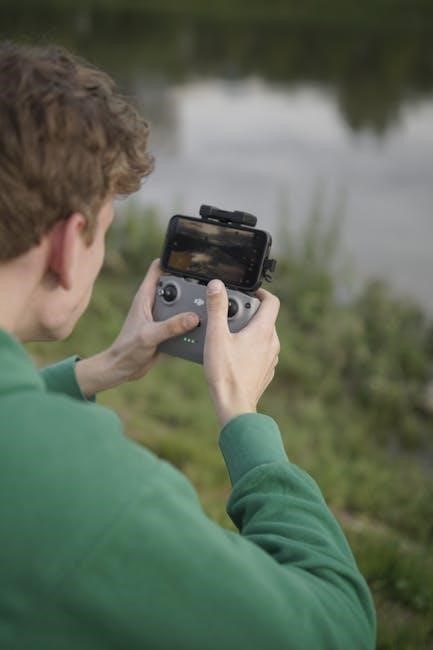
Consider features like backlit buttons and ergonomic designs for enhanced usability. While offering convenience and affordability, universal remotes may not replicate every function of the original Toshiba remote.