Lopi Berkshire Gas Stove Manual: A Comprehensive Guide
This manual details the installation, operation, and maintenance of your Lopi Berkshire gas stove, ensuring safe and efficient heating for years to come․
Congratulations on selecting a Lopi Berkshire gas stove! This appliance represents a commitment to quality, aesthetics, and efficient home heating․ The Berkshire is designed to provide both warmth and visual appeal, enhancing the ambiance of your living space․ This comprehensive manual serves as your guide to understanding, safely operating, and properly maintaining your new stove․
Within these pages, you’ll find detailed instructions covering everything from initial startup procedures to troubleshooting common issues․ Properly following these guidelines will ensure optimal performance and longevity․ The Berkshire is recognized as one of the finest home heaters available, and this manual will help you maximize its benefits․
Understanding Your Stove Model
Your Lopi Berkshire gas stove is available in various configurations, including freestanding, alcove-approved, and masonry fireplace insert models; Familiarize yourself with the specific features of your unit․ Variations exist, such as the Northfield and Greenfield models, each with slightly different specifications․
This stove is designed for residential use, and some models are approved for mobile homes․ Carefully review the model number and accompanying documentation to confirm its suitability for your installation․ Understanding these distinctions is crucial for safe and efficient operation, ensuring you utilize all features correctly․
Safety Precautions and Warnings
Always operate the heater according to the instructions in this manual․ Never attempt to modify or alter the stove’s components․ If the main burners fail to ignite, immediately turn off the gas supply and contact a qualified technician․
Carbon monoxide is a serious hazard; ensure proper ventilation․ Regularly inspect the venting system for obstructions․ Keep combustible materials away from the stove․ This appliance is hot during and after operation – exercise caution․ Improper installation or operation can lead to fire, explosion, or carbon monoxide poisoning․
Installation Guidelines
Professional installation is mandatory for the Lopi Berkshire gas stove, adhering to local codes and regulations․ Ensure a qualified technician performs the installation, verifying proper gas supply connection and venting․ The stove is approved for residential freestanding, mobile-home freestanding, alcove, masonry fireplace insert, and zero-clearance applications․
Carefully review all instructions before beginning․ Incorrect installation can create hazardous conditions․ Verify gas type compatibility․ Proper sealing of all gas connections is crucial to prevent leaks․ Follow venting guidelines precisely to ensure safe and efficient operation․
Professional Installation Requirements
Qualified personnel – Installation must be completed by a licensed gas technician or qualified professional experienced in gas appliance installation․ They must verify compliance with local and national codes․ Proper venting is critical; the installer must confirm correct vent sizing and configuration for optimal performance and safety․
Gas line assessment – The technician will inspect the existing gas supply line for adequate capacity and ensure all connections are leak-free․ A manual gas shut-off valve must be installed upstream of the appliance․ Thorough testing is essential post-installation․
Gas Supply Connection
Connecting to the gas supply requires a qualified technician․ Ensure the gas supply pressure matches the stove’s requirements, specified on the rating plate․ A properly sized and sealed gas line, compliant with local codes, is crucial․ Use pipe joint compound approved for gas lines on all threaded connections․
Leak testing – After connection, rigorously test all joints for leaks using a soap solution․ Never use a flame! The technician must verify proper operation of the gas control valve and confirm a secure, leak-free installation before operation․
Operating Instructions
Before initial use, familiarize yourself with all controls and safety features․ Always operate the heater according to the instructions in this manual․ To begin, ensure the gas supply is on․ If the pilot light is not lit, follow the ‘Lighting the Pilot Light’ section carefully․ Once the pilot is established, you can activate the main burners․
If burners fail to ignite, immediately turn off the gas and consult your dealer․ Never attempt to force operation․ Proper operation ensures safe and efficient heating․
Initial Startup Procedure
Prior to first use, inspect the unit for any shipping damage․ Ensure the gas supply is connected correctly by a qualified professional․ Slowly turn on the gas supply valve․ To light the pilot, follow the detailed ‘Lighting the Pilot Light’ instructions․ Observe the flame for a stable, blue flame․ If the flame is yellow or unstable, turn off the gas and consult a technician․

Allow a brief burn-in period to eliminate any residual odors from manufacturing․ Monitor the stove during the initial hours of operation, ensuring proper ventilation and safe operation․
Lighting the Pilot Light
Before attempting to light, locate the pilot access panel․ Turn the gas control valve to the “Pilot” position and depress the pilot button․ Simultaneously, press and hold the igniter button to create a spark near the pilot assembly․ Continue holding both buttons until the pilot flame ignites and remains stable․
Once lit, slowly release both buttons․ If the pilot doesn’t stay lit, repeat the process․ If it fails after several attempts, consult a qualified technician․ Never attempt to relight the pilot immediately after a failed attempt; allow gas to dissipate․
Adjusting Flame Height and Heat Output
To adjust the flame height and heat output, locate the control knob typically marked with “High,” “Low,” and “Pilot․” Rotate the knob clockwise to increase the flame and heat, and counterclockwise to decrease it․ Start with a lower setting and gradually increase until the desired comfort level is achieved․
Observe the flame; a healthy flame should be blue with minimal yellow tipping․ Excessive yellow indicates incomplete combustion and may require professional adjustment․ Always operate the stove within the manufacturer’s specified range․
Maintenance and Care
Regular maintenance is crucial for optimal performance and longevity of your Lopi Berkshire gas stove․ Frequent cleaning of the glass front with a recommended cleaner will maintain visibility․ Inspect the logs for proper placement and condition, ensuring no obstructions impede gas flow․
Annual professional inspection by a qualified technician is highly recommended․ This includes checking the gas supply connections, burner assembly, and safety controls․ Proper care ensures safe and efficient operation, preventing potential hazards and maximizing heating efficiency․
Regular Cleaning Procedures
Maintaining a clean stove enhances both its appearance and performance․ Regularly clean the glass front using a Lopi-approved glass cleaner to remove soot and residue, ensuring optimal viewing of the flames․ Vacuum the burner area carefully to remove dust and debris, preventing burner issues․
Periodically inspect and clean the log set, gently removing any accumulated dust․ Avoid using abrasive cleaners, as they can damage the finish․ Consistent cleaning contributes to safe and efficient operation, prolonging the life of your Lopi Berkshire stove․
Annual Inspection Checklist
A yearly professional inspection is crucial for safe operation․ Verify the gas supply connections for leaks, and inspect the venting system for obstructions or damage․ Check the pilot light assembly and thermocouple for proper function, replacing if necessary․
Examine the burner for corrosion or blockage, and ensure proper flame appearance․ Inspect the gas control valve for smooth operation․ This comprehensive checklist, performed by a qualified technician, guarantees your Lopi Berkshire stove operates safely and efficiently throughout the heating season․
Troubleshooting Common Issues
Addressing issues promptly ensures continued safe operation․ Frequent pilot light outages suggest a faulty thermocouple or gas valve – contact a professional․ Uneven burner flames or unusual burner noises indicate potential blockage or component failure, requiring inspection․
If burners fail to ignite, verify the gas supply is on and follow lighting instructions․ For persistent problems, or suspected gas valve malfunctions, immediately turn off the gas and consult a qualified technician․ Do not attempt repairs yourself; safety is paramount․
Pilot Light Problems
A consistently failing pilot light often points to a faulty thermocouple, unable to sense the flame and maintain gas flow․ Check for drafts that might be extinguishing the pilot․ A dirty pilot assembly can also cause issues; carefully clean it following the maintenance guidelines․
If the pilot won’t light at all, ensure the gas supply is fully open․ If problems persist, a malfunctioning gas control valve may be the culprit, necessitating professional diagnosis and repair․ Never attempt to bypass safety features – contact a qualified technician immediately․
Burner Issues and Flame Appearance

An uneven or yellow flame suggests insufficient air intake, potentially caused by blocked burner ports․ Regularly clean the burner assembly to ensure proper airflow and a clean, blue flame․ A lazy or flickering flame could indicate low gas pressure – verify your gas supply․
If burners don’t ignite correctly, or exhibit inconsistent heating, turn off the gas and consult your dealer․ Inspect for obstructions within the burner tubes․ A qualified technician should address any gas-related burner malfunctions to ensure safe operation and optimal performance․
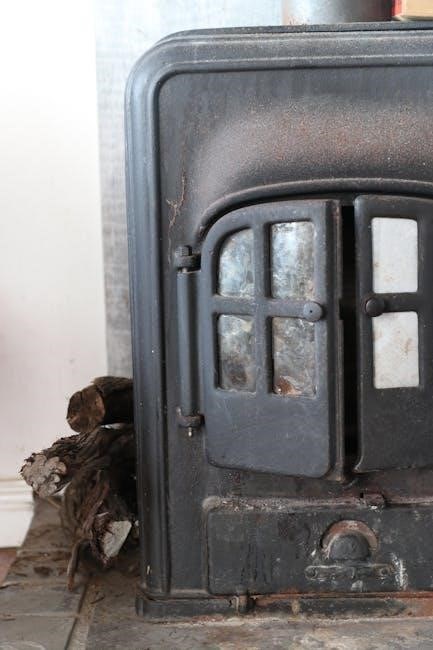
Gas Valve Malfunctions
A malfunctioning gas valve can prevent the pilot light from staying lit or the main burners from igniting․ If you suspect a valve issue, immediately turn off the gas supply to the stove; Do not attempt to repair the gas valve yourself; this requires a qualified technician․
Symptoms include a clicking sound without ignition, inconsistent gas flow, or a noticeable gas odor․ Contact a certified gas appliance repair professional for diagnosis and replacement․ Tampering with the gas valve is dangerous and voids the warranty․
Component Overview
The Lopi Berkshire gas stove features several key components crucial for safe and efficient operation․ These include the thermocouple, responsible for sensing pilot flame presence and maintaining gas flow․ The gas control valve regulates gas supply to the pilot and burners․ Understanding these parts aids in troubleshooting and maintenance․
The burner assembly distributes gas for combustion, requiring periodic cleaning․ Familiarizing yourself with these components, as detailed in this manual, will help you maintain your stove’s performance and longevity․ Always consult a professional for complex repairs․
Thermocouple Function and Replacement
The thermocouple is a vital safety component, sensing the pilot light flame and allowing the gas valve to remain open․ If the flame extinguishes, the thermocouple cools, shutting off the gas supply, preventing leaks․ A faulty thermocouple often results in a pilot light that frequently goes out․
Replacement requires disconnecting the gas supply and carefully removing the old thermocouple․ Install the new one, ensuring a secure connection․ Always test the new thermocouple after installation before resuming normal operation․ Contact a qualified technician if unsure about this process․
Gas Control Valve Details
The gas control valve regulates gas flow to the burner, controlling flame height and heat output․ It features settings for pilot, low, and high heat․ Understanding its operation is crucial for safe and efficient stove use․ Malfunctions can manifest as inconsistent flames or inability to control heat․
Never attempt to repair the gas control valve yourself; it requires professional expertise․ If issues arise, immediately turn off the gas supply and contact a qualified technician for inspection and potential replacement․ Tampering can create hazardous conditions․
Burner Assembly and Cleaning
The burner assembly distributes gas evenly for a consistent flame․ Regular cleaning is vital for optimal performance․ Dust, debris, or spider webs can obstruct gas ports, leading to uneven flames or reduced heat output․ Before cleaning, always shut off the gas supply and allow the stove to cool completely․
Use a vacuum with a brush attachment to gently remove loose particles․ A small wire or pin can carefully clear blocked ports, but avoid enlarging them․ Inspect for corrosion or damage; replace components if necessary․ Reassemble carefully, ensuring proper alignment․
Understanding Error Codes (If Applicable)
Modern Lopi Berkshire stoves may feature diagnostic error codes displayed on the control panel․ These codes signal specific issues, aiding in troubleshooting․ Consult the detailed error code list in the appendix of this manual – or on the Travis Industries website – to decipher the meaning of each code․
Common codes might indicate issues with the thermocouple, gas valve, or flame sensor․ Do not attempt to repair internal components yourself; instead, record the error code and contact a qualified technician for assistance․ Ignoring error codes can lead to unsafe operation․
Warranty Information
Your Lopi Berkshire gas stove is covered by a limited warranty against defects in materials and workmanship․ The specific terms and duration of the warranty vary depending on the component․ The gas valve typically has a separate, shorter warranty period than the firebox or other structural parts․
To validate your warranty, register your stove promptly after installation․ Keep your purchase receipt and this manual as proof of purchase and warranty coverage․ Contact Travis Industries directly for warranty claims or questions․
Contacting Lopi/Travis Industries Support
For assistance with your Lopi Berkshire gas stove, reach out to Travis Industries, the manufacturer․ Their dedicated support team can address questions regarding operation, maintenance, parts, or warranty claims․ You can find their contact information on the official Lopi website – typically including a phone number and email address․
When contacting support, have your stove’s model number and serial number readily available․ This will help them quickly assist you with your specific unit․ Detailed support resources, including FAQs and troubleshooting guides, are also available online․
Locating Replacement Parts
Genuine Lopi replacement parts are crucial for maintaining the performance and safety of your Berkshire gas stove․ These parts can be sourced through authorized Lopi dealers, ensuring compatibility and quality․ The Travis Industries website often features a parts finder tool, allowing you to locate specific components using your stove’s model number․
When ordering parts, always verify the part number and description to ensure it matches your requirement․ Some online retailers also specialize in fireplace and stove parts, offering a convenient alternative․
Frequently Asked Questions (FAQ)
Q: Why won’t my pilot light stay lit? A: Check the thermocouple; it may need cleaning or replacement․ Q: What if the flame is yellow? A: This indicates insufficient air; adjust the air shutter․ Q: How often should I have my stove inspected? A: Annual professional inspection is recommended for safety and efficiency․
Q: Can I use propane with my stove? A: Refer to your model’s specifications; conversion kits may be required․ Q: Where can I find the model number? A: It’s typically located on a plate inside the stove or on the back․
Gas Stove Model Variations (Northfield, Greenfield)
Lopi offers variations within its gas stove line, including the Northfield and Greenfield models․ While sharing core features with the Berkshire, these stoves present distinct aesthetic differences and BTU outputs․ The Northfield GSR2 Deluxe offers classic styling, while the Greenfield GSR2 Deluxe provides a more contemporary look․
Refer to the specific manual for your model – Northfield or Greenfield – for detailed installation and operational instructions․ Component compatibility may vary; always use parts designated for your particular stove model to ensure proper function and safety․
Resources and Additional Documentation
For comprehensive support, visit the official Travis Industries website – the parent company of Lopi – to access a digital library of manuals, troubleshooting guides, and frequently asked questions․ You can find model-specific documentation, including parts lists and technical specifications, readily available for download․
Additionally, authorized Lopi dealers can provide valuable assistance with installation, maintenance, and repair․ Contacting a qualified technician ensures your Berkshire stove operates safely and efficiently․ Remember to always reference your stove’s manual first!
Safety Features Explained
The Lopi Berkshire gas stove incorporates several crucial safety features, including a robust oxygen depletion sensor (ODS) which shuts off the gas supply if oxygen levels become dangerously low․ A flame failure system, utilizing a thermocouple, immediately halts gas flow if the pilot light extinguishes, preventing gas accumulation․
Furthermore, the stove is designed with a sealed combustion chamber, minimizing the risk of carbon monoxide leakage; Always ensure proper ventilation and adhere to all safety precautions outlined in this manual for optimal protection․
Proper Ventilation Requirements
Adequate ventilation is paramount for safe operation of your Lopi Berkshire gas stove․ This unit requires sufficient fresh air for complete combustion, preventing carbon monoxide buildup․ Ensure the room has ample air supply, especially in tightly sealed homes․
Follow local building codes regarding ventilation, and never obstruct air inlets or outlets․ Regular inspection of venting systems is crucial․ Improper ventilation can lead to dangerous conditions; prioritize safety by adhering to these guidelines․